


Home improvement does not always require a major renovation or a huge budget. In many cases, small and carefully planned upgrades can make a home feel more comfortable, functional, attractive, and energy-efficient.
Whether you have recently purchased a house or simply want to refresh your current living space, there are plenty of budget friendly home improvement projects worth considering.
The key is to focus on improvements that provide visible results without requiring you to completely remodel your home.
From updating your lighting and painting your walls to improving storage, landscaping your yard, and upgrading old fixtures, these relatively simple projects can transform the way your home looks and feels.
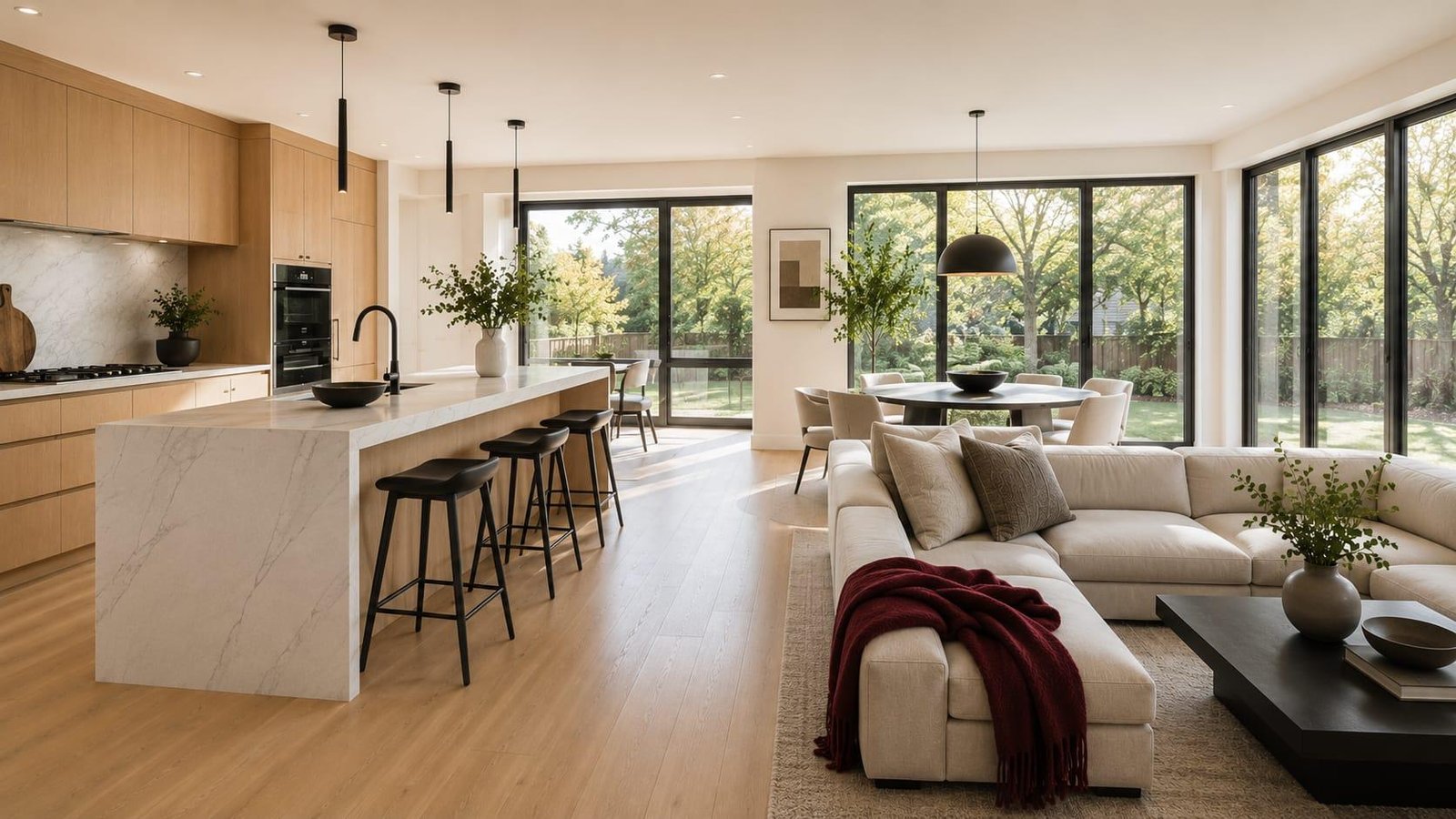
1. Give Your Walls a Fresh Coat of Paint
One of the easiest ways to transform a room is with paint.
Over time, walls can become dirty, faded, scratched, or simply outdated. A fresh coat of paint can immediately make a room look cleaner and newer.
You don’t necessarily need to repaint the entire house. Start with areas that receive the most attention, such as:
- Living rooms
- Bedrooms
- Hallways
- Entryways
- Kitchens
- Home offices
Neutral colors such as warm white, beige, soft gray, and light earth tones can create a timeless appearance. If you want something more dramatic, consider using a darker color on one accent wall.
How to save money
Instead of hiring a professional for every room, consider painting smaller rooms yourself. Prepare the walls properly, use quality brushes and rollers, and protect your floors and furniture before starting.
2. Upgrade Your Home’s Lighting
Lighting can completely change the atmosphere of a room.
A dark room can feel smaller and less welcoming, while a well-lit room can feel spacious and comfortable.
Consider replacing outdated light fixtures with modern options or adding additional lighting where needed.
You can use:
- Ceiling lights
- Pendant lights
- Wall sconces
- Under-cabinet lighting
- Floor lamps
- Table lamps
- Motion-sensor lighting
LED bulbs can also be a practical upgrade because they generally use less energy than traditional incandescent bulbs.
For kitchens, under-cabinet lighting can improve visibility while also creating a modern appearance.
For bedrooms and living rooms, layered lighting can create a warmer and more relaxing environment.
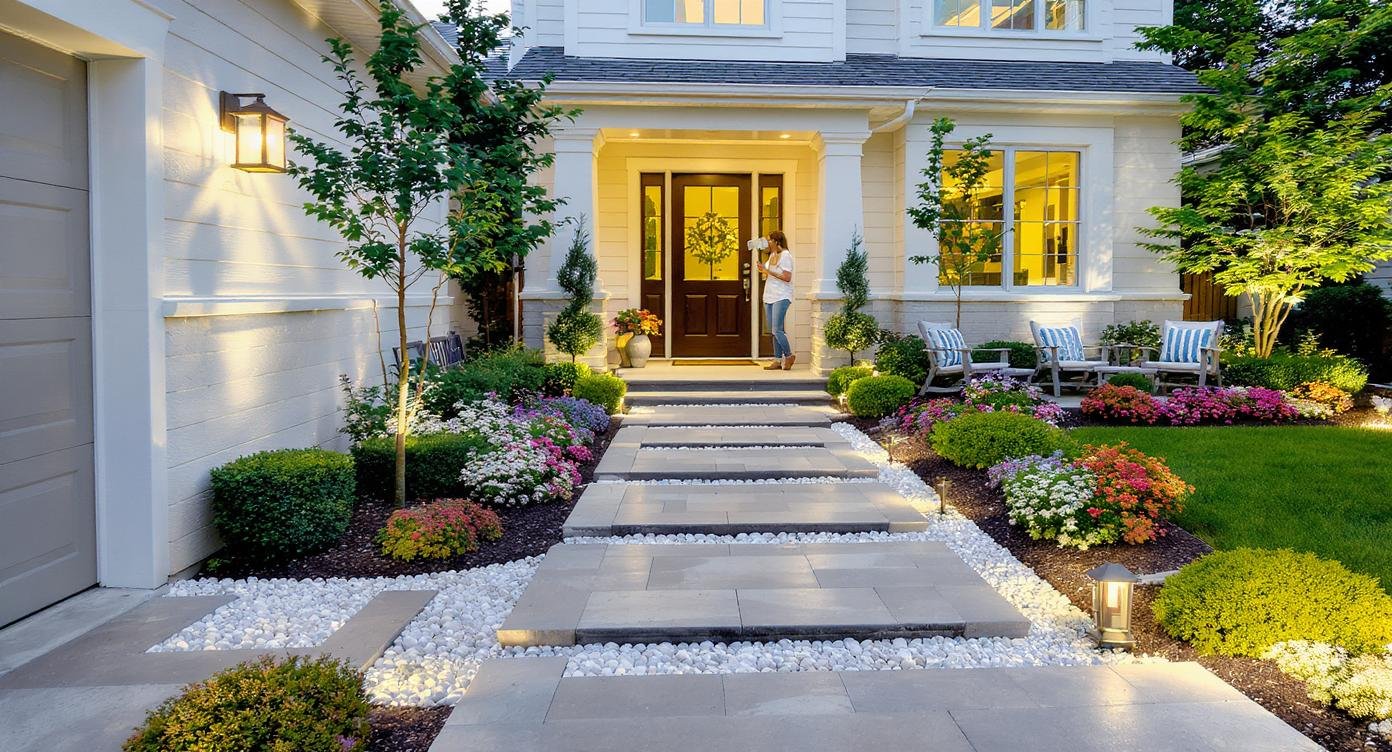
3. Improve Your Entryway and Front Door
Your front entrance is one of the first things visitors notice.
Fortunately, improving curb appeal doesn’t necessarily require an expensive exterior renovation.
Start by cleaning the entrance thoroughly and then consider:
- Repainting the front door
- Replacing an outdated door handle
- Installing a new house number
- Adding outdoor lighting
- Placing plants near the entrance
- Replacing an old welcome mat
- Cleaning the walkway
A freshly painted front door can create a surprisingly noticeable difference.
If your existing door is structurally sound, refinishing or repainting it can be much cheaper than replacing the entire door.
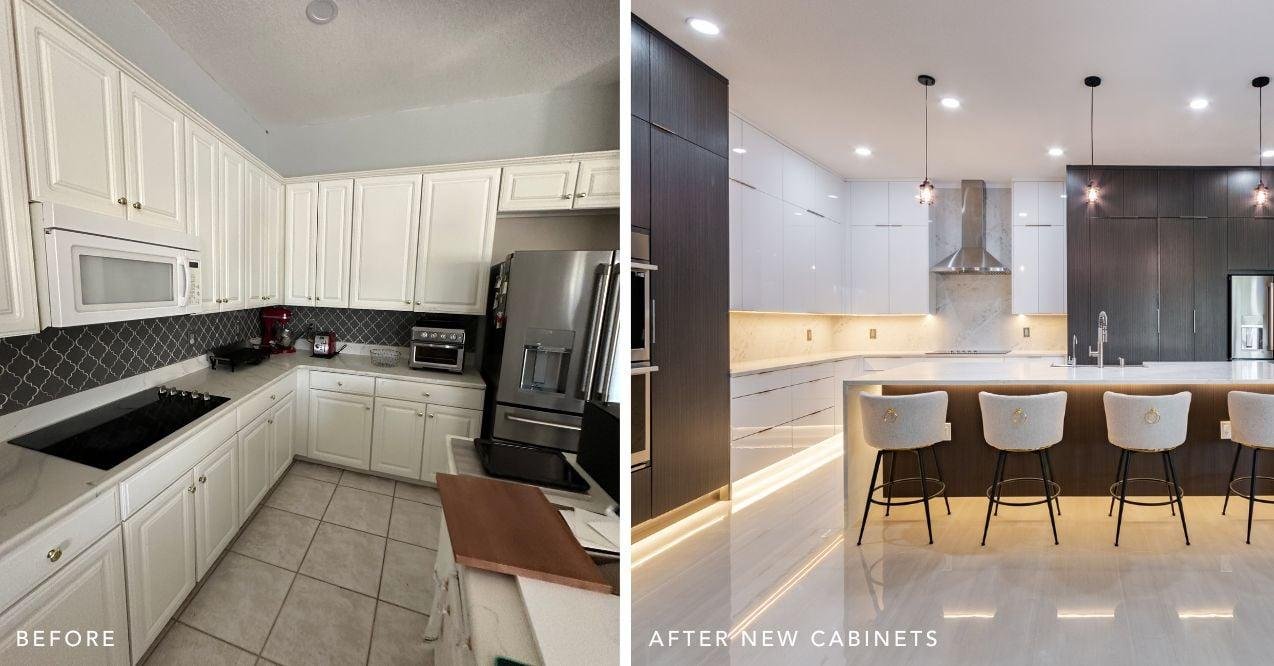
4. Refresh Your Kitchen Without a Full Remodel
A complete kitchen renovation can become expensive quickly. Fortunately, you don’t always need to replace everything.
Small kitchen upgrades can make the space feel completely different.
Consider:
Replace cabinet hardware
New handles and knobs are relatively inexpensive but can dramatically change the appearance of cabinets.
Upgrade the backsplash
A new backsplash can become a focal point in the kitchen.
Improve lighting
Under-cabinet LED lighting can make countertops easier to use while adding visual appeal.
Refinish cabinets
If your cabinets are structurally sound, painting or refinishing them may be considerably cheaper than replacing them.
Current kitchen-remodeling research shows homeowners are increasingly prioritizing functionality and built-in storage rather than simply making kitchens larger.
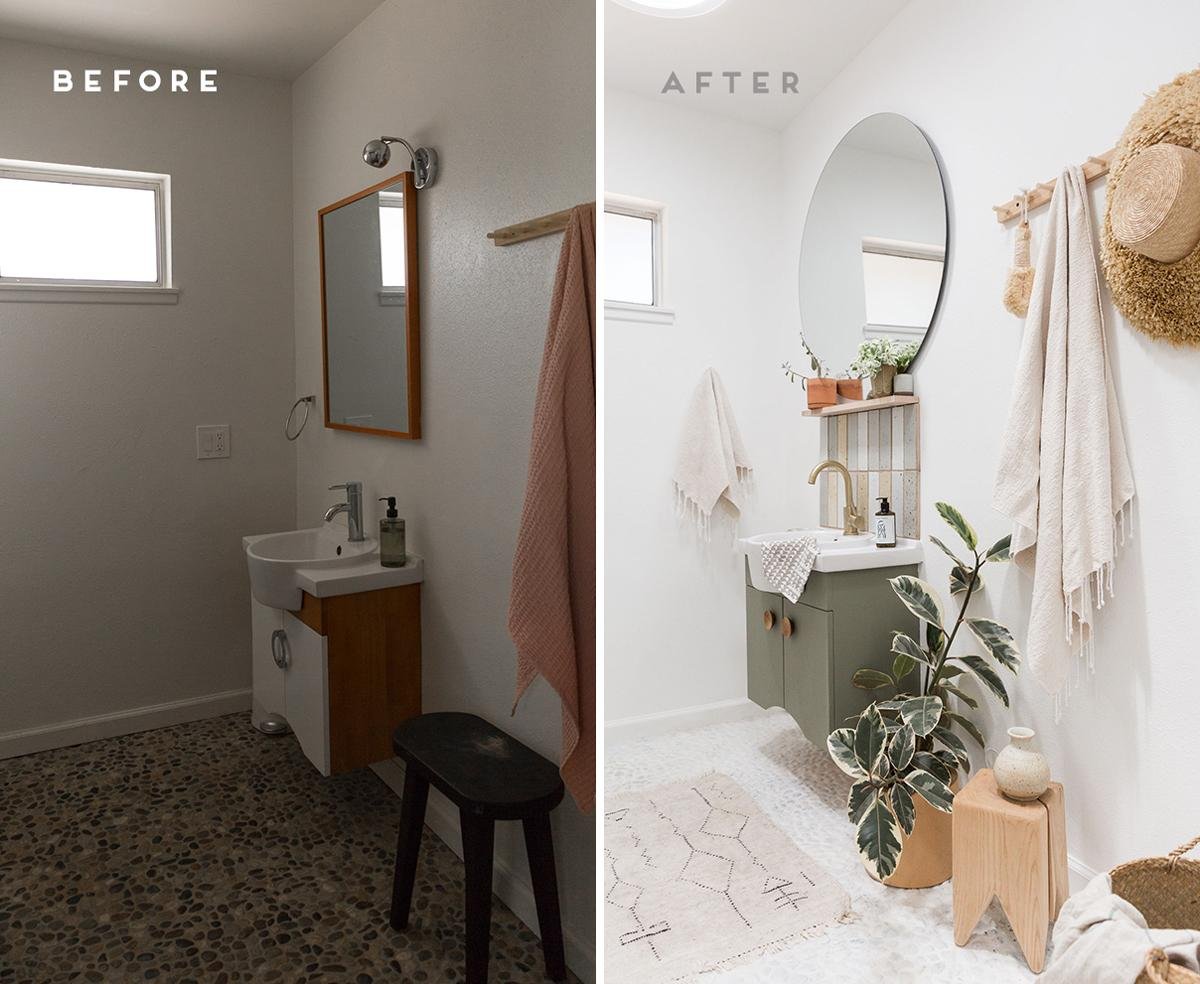
5. Make Your Bathroom Feel Like a Better Space
You don’t need a luxury bathroom renovation to make your bathroom look better.
Start with inexpensive changes such as:
- Replacing cabinet handles
- Updating the mirror
- Installing modern lighting
- Replacing an old showerhead
- Adding storage shelves
- Replacing worn towels
- Re-caulking around the tub or shower
- Updating bathroom accessories
A new mirror can make a small bathroom appear larger, while better lighting can make the entire space feel more modern.
For homeowners planning a larger renovation, bathroom remodeling remains one of the most common renovation projects.
6. Create More Storage
A beautiful home can still feel uncomfortable if every room is cluttered.
One of the most practical home improvement projects on a budget is improving storage.
Look for unused spaces that could become useful storage areas.
For example:
- Install floating shelves
- Add organizers inside cabinets
- Use under-bed storage
- Install hooks behind doors
- Add garage shelving
- Create a pantry organization system
- Use vertical wall space
The goal isn’t necessarily to add more furniture. Instead, use the space you already have more efficiently.
Think vertically
If floor space is limited, look upward.
Wall-mounted shelves and cabinets can provide additional storage without taking up valuable floor space.
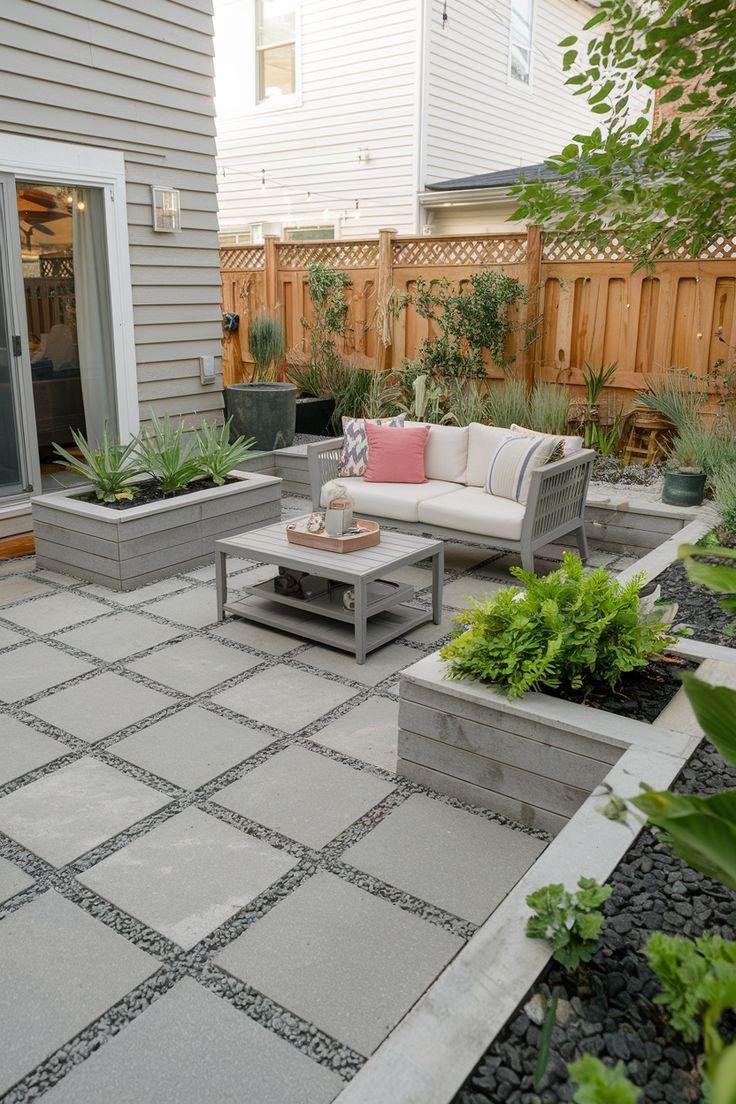
7. Improve Your Backyard or Outdoor Living Area
You don’t need an enormous backyard to create a useful outdoor space.
A small patio, balcony, or garden area can become an extension of your living space with a few improvements.
Consider adding:
- Outdoor seating
- A small dining table
- String or solar lighting
- Potted plants
- Flower beds
- A simple fire feature
- Outdoor rugs
- A shade structure
Outdoor living continues to be an important area of homeowner investment, and current remodeling research shows that homeowners continue to prioritize improvements that make their homes more enjoyable to live in.
8. Upgrade Your Windows and Improve Insulation
Some home improvements are valuable because they improve comfort rather than simply changing appearance.
If your home has old or poorly sealed windows, you may notice uncomfortable drafts, hot rooms during summer, or higher heating and cooling costs.
Before replacing every window, inspect them carefully.
You may be able to improve performance by:
- Replacing damaged weatherstripping
- Sealing small gaps
- Using appropriate window treatments
- Adding insulation where needed
- Checking for air leaks around frames
If your windows are severely damaged or inefficient, replacement may be worth considering.
Similarly, improving insulation in appropriate areas of the home can help maintain more consistent indoor temperatures.
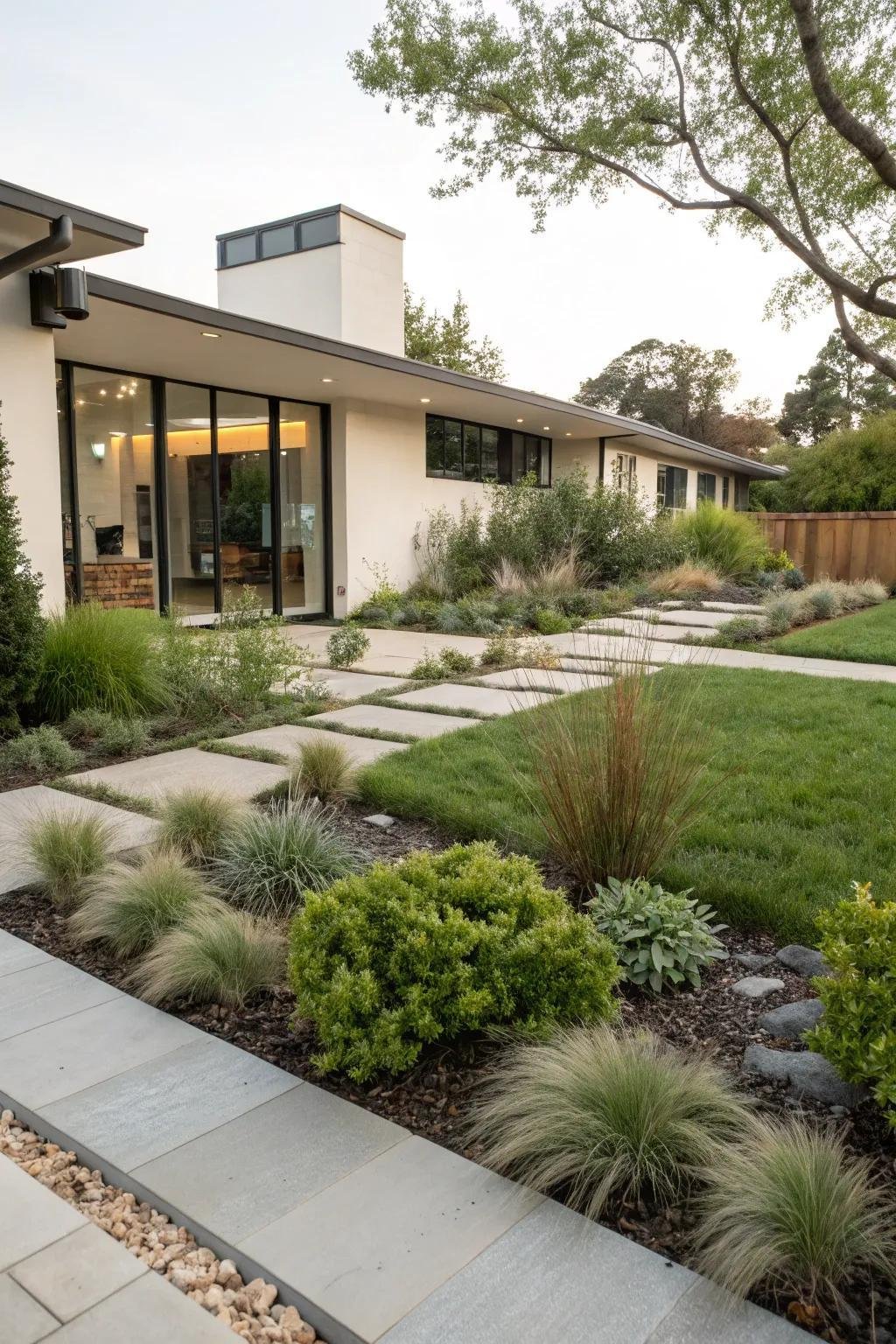
9. Improve Your Landscaping and Curb Appeal
Your home’s exterior creates the first impression.
You don’t necessarily need an expensive landscaping project. Simple improvements can make a noticeable difference.
Try:
- Trimming overgrown plants
- Adding low-maintenance plants
- Cleaning garden beds
- Adding mulch
- Defining pathways
- Maintaining the lawn
- Adding outdoor lighting
- Cleaning the driveway and walkway
You can also use containers and planters if you don’t want to make permanent landscaping changes.
Start small
Instead of trying to redesign the entire yard, choose one area and improve it first.
A well-maintained entrance, pathway, and front garden can have a significant visual impact.
10. Replace Small, Outdated Fixtures
Sometimes the smallest details make a home feel outdated.
Look around your home for fixtures that are old, damaged, or inconsistent with your current style.
You might replace:
- Cabinet handles
- Door handles
- Faucets
- Light switches
- Electrical outlet covers
- Curtain rods
- Bathroom accessories
- Air vents
- Ceiling fans
These upgrades are often relatively inexpensive compared with major renovations.
The important thing is to create consistency.
For example, using similar finishes for door handles, cabinet hardware, and bathroom fixtures can give your home a more coordinated appearance.
How to Choose the Right Home Improvement Project
If you have a limited budget, don’t try to complete everything at once.
Instead, prioritize projects according to three factors:
1. Comfort
Start with improvements that make your home more enjoyable.
Examples include better lighting, improved ventilation, insulation, and temperature control.
2. Functionality
Next, consider projects that make daily life easier.
Storage, kitchen organization, bathroom improvements, and better outdoor spaces can provide significant practical benefits.
3. Appearance
Finally, focus on cosmetic upgrades such as paint, hardware, landscaping, and décor.
A good strategy is to combine all three.
For example, upgrading kitchen lighting can improve appearance, functionality, and visibility at the same time.
How to Get the Most Value From Your Budget
Before starting a project, create a simple plan.
Step 1: Set your budget
Decide how much you are comfortable spending.
Step 2: Choose your priorities
Make a list of everything you would like to improve and rank the projects from most important to least important.
Step 3: Get multiple estimates
For projects requiring professional work, compare several estimates rather than automatically choosing the cheapest option.
Step 4: Consider long-term costs
A cheaper product isn’t always the best value.
Consider durability, maintenance, energy use, and replacement costs.
Step 5: Avoid unnecessary trends
Choose improvements that work with your home’s architecture and your lifestyle.
A timeless improvement can remain useful for years instead of becoming outdated quickly.
Final Thoughts
Home improvement doesn’t have to mean completely remodeling your house.
Some of the best budget-friendly home improvement projects are relatively simple: fresh paint, better lighting, improved storage, updated fixtures, landscaping, and small kitchen or bathroom upgrades.
The smartest approach is to focus on improvements that solve real problems while making your home more comfortable and functional.
If you’re working with a limited budget, start small. Choose one project, complete it properly, and then move on to the next.
Over time, these smaller improvements can add up to a home that looks better, works better, and feels better to live in.
A better home doesn’t always require a bigger budget—it often requires better planning.